

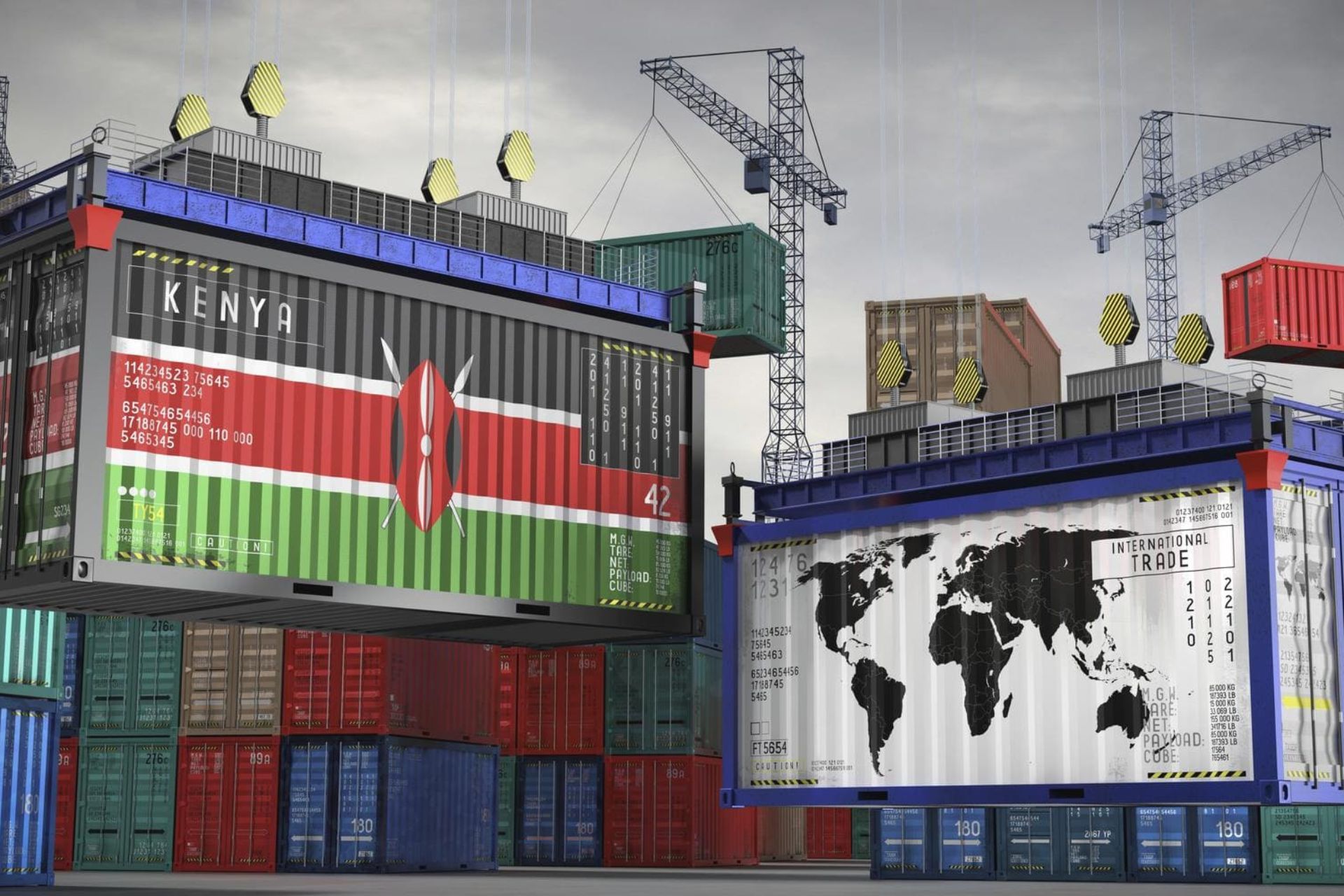
East Africa is increasingly becoming a focal point for import and export activities, driven by its strategic location, diverse resources, and growing markets. Countries like Kenya, Uganda, Tanzania, and Rwanda are leading the charge in enhancing regional trade opportunities. In this blog post, we’ll explore the landscape of import and export in East Africa, highlighting key areas of growth, challenges faced by businesses, and tips for navigating the trade environment.
The Growing Importance of Regional Trade
Economic Potential
The East African Community (EAC) comprises six member states that are working together to boost economic integration. This collaboration has opened doors for businesses to explore new markets within the region. The potential for growth is significant; according to reports, regional trade could increase by up to 30% with better infrastructure and reduced trade barriers [VERIFY: source needed].
Key Industries Driving Trade
Several industries are flourishing in East Africa. Agriculture remains a cornerstone, with products like coffee, tea, and horticultural goods being major exports. The manufacturing sector is also on the rise, producing everything from textiles to processed foods. Additionally, technology startups are emerging rapidly, which further diversifies the trade landscape.
Navigating Import Business in East Africa
Understanding Customs Regulations
One of the first steps in starting an import business is understanding customs regulations. Each country has its own set of rules regarding tariffs, duties, and documentation. Familiarizing yourself with these regulations can save you time and money. For instance, knowing what products require special permits can streamline your import process significantly.
Sourcing Products Effectively
When it comes to product sourcing for your import business, establishing strong relationships with suppliers is crucial. Whether you’re looking at wholesale imports or niche markets, consider attending trade shows or networking events in the region. These platforms provide valuable opportunities to connect with potential suppliers who align with your business goals.
Building a Successful Export Business
Identifying Export Markets
Identifying which markets to target is essential for a successful export business. Researching demand trends and market needs can help you tailor your offerings effectively. For example, certain agricultural products may have higher demand in Europe or Asia due to their quality or unique characteristics.
Logistics and Distribution Challenges
Export logistics can be complex due to varying infrastructure quality across East African countries. It’s important to work with reliable logistics partners who understand the local landscape. Assessing transport options—such as road versus rail—can influence delivery times and costs significantly.
Overcoming Challenges in Regional Commerce
Addressing Infrastructure Issues
Infrastructure remains a challenge for many businesses looking to engage in import and export activities in East Africa. Poor road networks and limited access to ports can impede trade flow. However, ongoing government initiatives aim to improve infrastructure through public-private partnerships [VERIFY: source needed]. Staying informed about these developments can help businesses plan their operations more effectively.
Navigating Bureaucracy
Dealing with bureaucracy can be daunting when starting an import or export business. It’s crucial to have all necessary documentation ready and understand local laws thoroughly. Hiring local experts or consultants who specialize in international trade can ease this process and provide insights into best practices.
Conclusion: Seizing Opportunities Ahead
East Africa presents vast opportunities for both importers and exporters eager to tap into its growing markets. By understanding regional dynamics, addressing logistical challenges, and building strong supplier relationships, businesses can expand their reach effectively.
If you’re considering entering this vibrant market or looking for ways to enhance your existing operations here in East Africa, now is the time to act! Explore your options today—whether it’s refining your product sourcing strategy or connecting with local logistics partners—and take the first step toward success in this promising region!